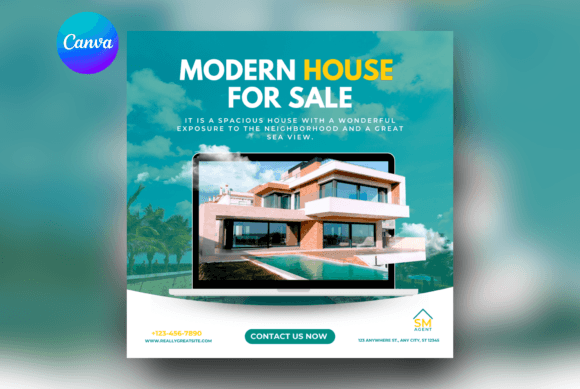
Real Estate Instagram Post Templates: Streamlining Your Social Media
In the competitive world of real estate marketing, consistency is often the missing link between a casual presence and a recognized brand. You likely have the listings, the market knowledge, and the drive, but the time required to design high-quality visual content from scratch is a resource few agents possess. This is where Real Estate Instagram Post Templates become not just a convenience, but a strategic necessity. By utilizing pre-designed frameworks, specifically those built for platforms like Canva, you bridge the gap between professional aesthetics and practical execution.
The Anatomy of a High-Impact Template
When we talk about a professional template, we aren't just talking about a pretty picture with a text box. A high-quality design asset is built on the principles of modern typography and visual hierarchy. In the context of Real Estate Instagram Post Templates, this means the layout is structured to guide the viewer's eye exactly where it needs to go—usually to the price, the key feature, or the call to action.
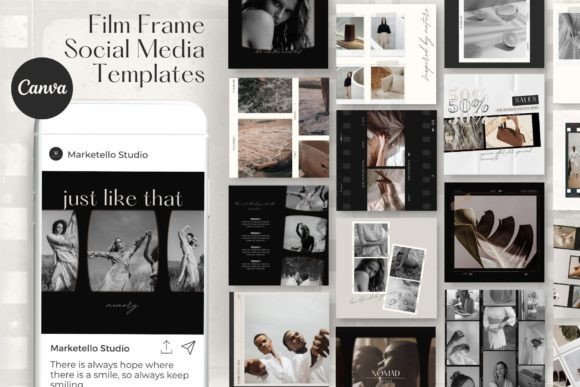
Visually, these templates often rely on a balance between imagery and negative space. Real estate photography is the hero, so the design elements—whether they use a serif font for a luxury feel or a sans serif font for a modern, urban vibe—must support the image rather than compete with it. The "personality" of these designs should evoke trust and professionalism. You want the viewer to feel that if you pay attention to the details in your social media graphics, you will pay attention to the details of their transaction.
Customization: Making the Template Your Own
The true value of a Canva-based template lies in its flexibility. A generic template is a starting point, but a customized one becomes part of your brand identity. The ability to edit everything—images, fonts, text, and colors—is crucial. For example, if you specialize in historic homes, you might swap a geometric sans serif font for a classic serif font to better match the architectural style of your listings.
This customization process is where you apply your own design strategy. You aren't just dropping in a photo; you are creating a cohesive visual language. Consider the following when editing your templates:
- Color Palette: Ensure the background and accent colors match your agency or personal branding guidelines. Consistency here builds recognition.
- Typography: While the template provides a suggested font pairing, feel free to explore. However, maintain hierarchy. If you use a bold display font for the headline (e.g., "Open House"), keep the body text simple to ensure readability.
- Imagery: High-resolution photos are non-negotiable. The template acts as the frame, but the image provides the emotional hook.
Practical Application Across Marketing Channels
While these are labeled as Instagram Post Templates (optimized for the 1080px x 1080px square format), their utility extends far beyond the feed. Because they are digital design assets, you can repurpose them for various aspects of your marketing strategy.
For instance, a "Just Sold" template can be adapted for a Facebook announcement or a slide in a digital listing presentation. If you utilize web design elements on your IDX site, you can create graphics that match your social posts, ensuring a seamless user experience for clients moving from your Instagram profile to your website. This approach treats your templates not as isolated images, but as integral parts of a larger branding ecosystem.
Evaluating Fit and Readability
When selecting Real Estate Instagram Post Templates, you must evaluate them based on how they handle information density. Real estate posts often contain a lot of data: bed/bath counts, square footage, address, and agent contact info. A template that looks beautiful but fails to present this data legibly is ineffective.
Look for designs that utilize white space effectively. A creative font might look interesting, but if it sacrifices legibility when used for a phone number, it fails the practical test. The best templates use a premium font or a clean typeface that remains crisp on mobile screens.
Furthermore, consider the "vibe" of your market. A template featuring a handwritten font or script font might work well for a cozy bed-and-breakfast or a boutique agency, but it could feel out of place for a commercial real estate firm dealing in high-rise office spaces. In that case, a sharp, industrial sans serif font would better communicate authority and modernity.
Streamlining Your Workflow
The ultimate goal of adopting these templates is to simplify your workflow. The instructions provided typically involve a PDF with a direct link to the Canva editor. Once you access the file, you can create a "Brand Kit" within Canva (if you have the pro version) to instantly apply your specific hex codes and fonts to the templates.
This process transforms a 2-hour design session into a 10-minute task. By saving time on production, you free up hours to focus on what actually grows your business: networking, showing properties, and closing deals. These templates serve as a bridge, allowing you to maintain a professional and engaging digital presence without needing a degree in graphic design. They are tools designed to amplify your message, not complicate your process.