Mastering Banner Design Templates for Impactful Mockups
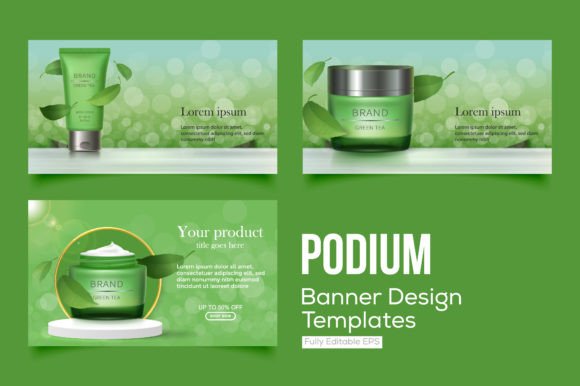
When you need to stop a potential customer mid-scroll, a standard flat image of your product rarely cuts it anymore. We are visual creatures, and we crave context. This is exactly where the concept of combining Banner Design Templates with podium-style product mockups enters the conversation. It isn't just about placing a bottle or a gadget on a white background; it is about staging a visual narrative. By utilizing high-quality design assets, you are essentially building a digital stage where your product can perform. This approach takes the guesswork out of composition, allowing entrepreneurs and content creators to produce advertising material that looks expensive and meticulously planned, even if it was assembled in minutes.
The Psychology of the Podium: More Than Just a Background
There is a specific reason why the "podium" style works so effectively in web design and social media graphics. A podium implies presentation, value, and a moment of unveiling. When you integrate this into your banner design templates, you are borrowing that psychological weight. Instead of a floating object, the product feels grounded and real. Think of it as the difference between a sketch on a napkin and a photograph in a gallery.
For brand identity, consistency is key. A well-crafted mockup banner ensures that lighting, shadows, and perspective remain uniform across your entire campaign. If you are running a launch for a new skincare line, for example, using a podium mockup allows you to show the texture of the bottle against a marble or wood surface while keeping the lighting perfectly aligned. This level of detail signals professionalism to the viewer. It tells them, subconsciously, that the brand cares about presentation, which often translates to caring about product quality. It is a subtle but powerful shift in brand perception.
Visual Characteristics and Stylistic Versatility
What makes a great podium mockup template? It usually comes down to the "personality" of the environment. You have your minimalist aesthetic—clean lines, soft shadows, and neutral tones—which is perfect for tech gadgets or modern cosmetics. Then you have the "lifestyle" aesthetic, which might feature textured surfaces like velvet, concrete, or wood, adding warmth and tactile appeal.
The versatility of these design assets cannot be overstated. They are not confined to one specific industry. A small business owner selling handmade pottery can use a rustic podium mockup to highlight the earthiness of their craft, while a tech startup might use a sleek, glass-like podium to emphasize innovation. The "banner" aspect allows for the integration of typography and calls-to-action without cluttering the product itself. You can overlay modern typography on the negative space of the banner, creating a balanced composition that guides the eye naturally from the image to the message.
Practical Applications: From Packaging to Pixels
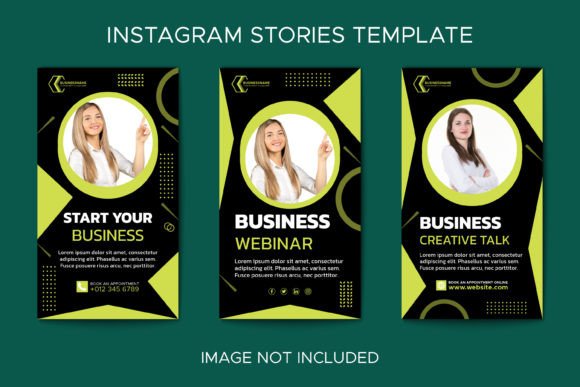
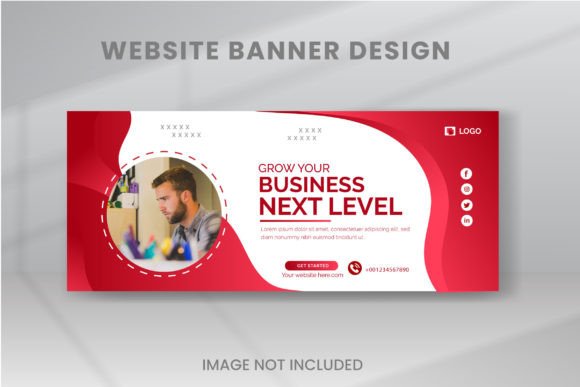
Let’s talk about where these templates actually live in your workflow. The most obvious application is in digital marketing. Facebook covers, Instagram stories, and website hero sections demand high-impact visuals. A static product photo often gets lost in the noise of a busy feed. However, a product displayed on a dynamic podium with a stylized banner frame creates depth. It gives the image dimension, making it pop against the flat content surrounding it.
Beyond digital, consider packaging design and editorial design. If you are pitching a new beverage to a retailer, a 3D podium mockup can replace expensive physical photography. You can place your label design onto the 3D model and instantly see how it interacts with light and shadow. For bloggers and content creators, these templates are lifesavers for creating "featured images" for articles. Instead of using generic stock photos, you can create a branded visual that represents the topic of your post using a stylized podium setup.
Choosing the Right Template for Your Project
Not all banner design templates are created equal. When evaluating a template, you need to look past the preview image and examine the file structure. A practical, professional-grade mockup should offer Smart Objects in Photoshop or be easily editable in Canva. This allows you to swap out backgrounds or product images without breaking the lighting effects.
Here is a checklist for evaluating the fit:
- Scalability: Does the template maintain quality when resized for different platforms, like a vertical story versus a horizontal banner?
- Editability: Are the shadows and highlights on separate layers? This is crucial for readability if you plan to add text overlays.
- Aesthetic Match: Does the style of the podium match the "voice" of your brand? A playful, handwritten font style might clash with a hyper-minimalist, corporate podium.
It is also worth considering font pairing with your mockups. The typography you use within the banner area needs to complement the product, not fight it. If the podium is visually complex (lots of texture or detail), stick to a clean sans serif font for your headlines. Conversely, if the background is stark and minimal, you might have room to play with a display font or even a script font to add some flair.
Elevating Brand Recognition Through Consistency
The ultimate goal of using these assets is to build a library of visuals that are instantly recognizable as "yours." When you consistently use a specific style of podium presentation or a recurring layout structure in your banners, you create a visual anchor for your audience. Over time, they will recognize your content before they even read the text.
This is where the strategic side of design comes into play. You aren't just making things look pretty; you are building a system. By investing in high-quality premium font options and robust mockup templates, you are equipping yourself to produce professional work at scale. Whether you are a freelancer managing multiple clients or a hobbyist turning a passion into a side hustle, the ability to quickly generate high-quality visuals is a competitive advantage. It allows you to focus on the message and the product, knowing that the visual delivery system is already handled.
In the end, the combination of podium mockups and banner design is about control. It gives you control over the lighting, the context, and the perception of your product. It bridges the gap between a digital file and a physical object, helping your audience visualize exactly what they are getting. When used effectively, these templates don't just display a product; they sell an experience.