Master Your Restaurant's Visual Brand with Canva
In the fast-paced world of the food industry, your visual identity is often the first taste a customer gets of your brand. You might have the best chef in town, but if your promotional materials look amateurish, you risk losing foot traffic to competitors who simply look more professional. As a designer who has worked with countless entrepreneurs, I know that budget constraints often mean owners are forced to create their own marketing assets. This is exactly where high-quality design assets like Restaurant Canva Templates become a game-changer, bridging the gap between professional graphic design and DIY accessibility.
The Power of a Cohesive Dark Blue and Orange Theme
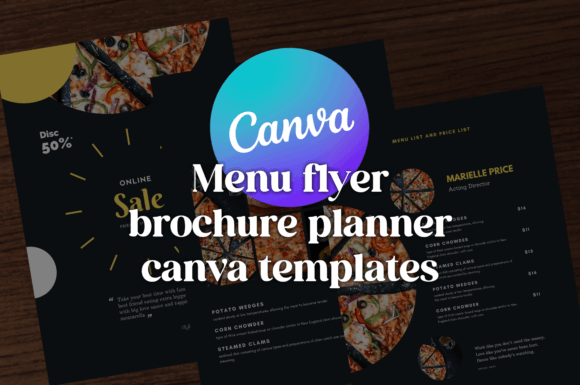
When you are building a brand identity, color psychology is not just theory; it is a practical tool that influences customer behavior. The Restaurant Canva Templates package we are looking at utilizes a specific contemporary modern palette: dark blue and orange. This is a classic complementary color scheme for a reason. The dark blue conveys trust, stability, and a touch of elegance or sophistication, often associated with fine dining or established eateries. Meanwhile, the orange injects energy, appetite stimulation, and warmth. It creates a focal point that draws the eye immediately.
In practical application, this contrast ensures high readability. Whether you are designing a digital menu for a tablet or a printed flyer for a local event, the dark background with vibrant orange accents makes text pop without straining the eyes. This specific visual personality works exceptionally well for contemporary fusion restaurants, upscale casual dining, or modern coffee shops that want to project a vibe that is both serious about quality and welcoming to guests.
Practical Application: From Digital Stories to Print Menus
One of the biggest challenges for small business owners is maintaining consistency across different mediums. Your Instagram story needs to match your in-store menu, which in turn should match your advertising flyers. This specific package of Restaurant Canva Templates solves that fragmentation issue by providing a unified suite of layouts. You are not just getting one file; you are getting a comprehensive system that includes flyers, menus, brochures, and social media graphics.
Let’s break down how to use these effectively:
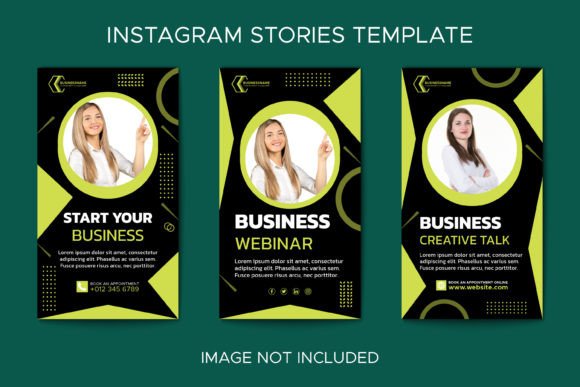
- Social Media Graphics: Use the "Story" templates to announce daily specials. The vertical layout is optimized for mobile viewing, ensuring your text is legible on small screens. The modern typography hierarchy included in these templates helps you prioritize information—putting the dish name front and center with the price as a secondary detail.
- Print Menus and Brochures: For physical materials, the included PDF and PNG formats are crucial. When you edit the Canva template, ensure you leave a "bleed" area if you are printing edge-to-edge. The dark blue background is fantastic for hiding minor wear and tear on menus compared to stark white designs, making them look pristine for longer.
- Advertising and Flyers: The high-contrast nature of the orange on blue makes these templates ideal for window displays or community boards. Use the layout to guide the viewer's eye from the "hook" (the offer) to the "action" (the location or website).
The beauty of using a platform like Canva for these assets is the ease of editing. You do not need to be a Adobe Creative Suite wizard to adapt these designs. You simply need a free Canva account. This accessibility empowers you to react quickly to market changes—if you run out of a specific ingredient, you can update your digital menu in minutes, not days.
Elevating Brand Perception Through Design Assets
There is a distinct difference between a business that "has a menu" and a business that has a "brand." The latter implies a level of professionalism and intention that customers subconsciously trust. By utilizing Restaurant Canva Templates, you are leveraging pre-made design structures that follow fundamental design principles like visual hierarchy and balance.
For example, a well-designed brochure does more than list your services; it tells a story. The contemporary modern style of these layouts suggests that your establishment is up-to-date and attentive to trends. This is vital for attracting a younger demographic (ages 20–35) who often judge a venue's food quality based on its visual branding online before they ever step through the door.
However, I must offer a piece of practical advice regarding "font pairing" and customization. While the templates provide a great starting point, be careful when swapping out fonts. The original designer likely chose typefaces that complement the dark blue and orange aesthetic. If you decide to change the fonts, stick to the same "vibe." If the template uses a clean sans serif font for headers, do not replace it with a whimsical script font, as this can break the modern, professional feel of the design. Maintain the integrity of the visual hierarchy.
Commercial Licensing and File Formats
When purchasing design assets, understanding what you are allowed to do with them is just as important as the design itself. The package description mentions that the "Zip Include PDF - PNG - Link Templates Editable." This is standard for high-quality digital products. The PDF is excellent for professional printing services, as it preserves vector data and color profiles. PNGs are perfect for web use where you need high-resolution images without the background.
Regarding commercial use: since you are buying these templates to promote a business, you generally have the right to use the final output for commercial purposes (your restaurant's marketing). However, you typically cannot resell the raw template files to other designers or business owners. Always review the specific license included in your purchase package to ensure compliance. This protects both you and the original creator.
Final Thoughts on Implementation
Investing in Restaurant Canva Templates is not just about buying a pretty picture; it is about buying efficiency and brand consistency. Whether you are a seasoned entrepreneur looking to refresh your look or a new owner setting up your first pop-up, these assets provide a solid foundation. They allow you to focus on what you do best—running the kitchen and managing your team—while ensuring your visual marketing remains sharp, modern, and effective.