Book Page Mockup 8x10 Templates: A Designer's Secret Weapon
Why Your Book Deserves More Than a Flat JPEG
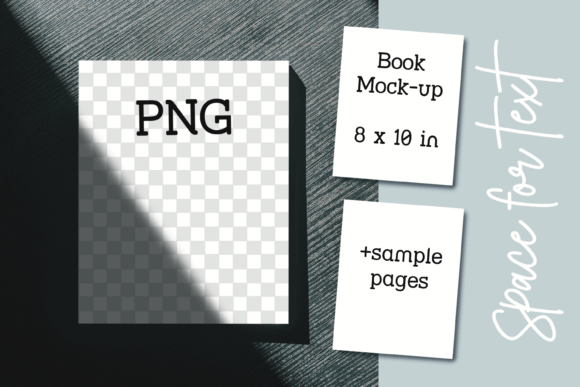
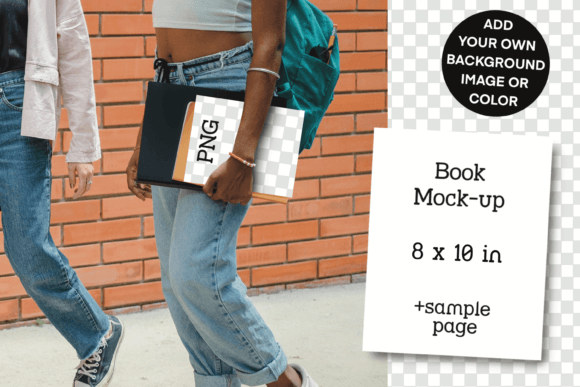
Let's be honest. Presenting a book cover design as a simple, flat image on a white background doesn't do justice to the hours of work that went into it. It lacks context, depth, and that tangible feeling that makes a potential reader or client stop scrolling. This is where the Book Page Mockup 8x10 Templates Frames become an indispensable part of your creative toolkit. It’s more than just a frame; it’s a digital stage designed to showcase your work with the professionalism and appeal it deserves. The mockup itself is a high-resolution PNG file with a transparent area where your book cover sits, allowing you to seamlessly integrate it into any scene you imagine.
The appeal is in its simplicity and versatility. The 8x10 ratio is a classic, familiar format that feels substantial without being cumbersome. It works beautifully for everything from a cozy journal to a gripping novel. The style is clean and modern, avoiding distracting textures or overly stylized elements. This neutrality is its greatest strength. It doesn't fight with your book cover design for attention; instead, it elevates it. The mockup provides just enough visual structure—suggesting the book's spine, the slight curve of a page—to make the final presentation feel real and tactile. For a designer, marketer, or self-publishing author, this design asset bridges the gap between a digital file and a marketable product.
Practical Applications for Modern Creators
Think of this mockup template as a versatile component in your visual hierarchy. Its primary function is to create compelling presentations, but its utility extends far beyond a single use case. For those building a brand identity around a publishing house or a personal author brand, consistency is key. Using the same mockup style across your website, social media graphics, and editorial design layouts creates a cohesive and professional look that builds recognition.
Here’s where it truly shines:
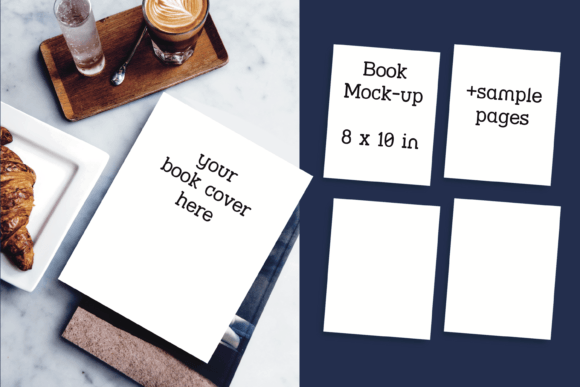
- E-commerce and Portfolio Presentations: Place your mockup on a textured background, next to a cup of coffee, or on a wooden desk to tell a story. This is far more effective for an online shop or portfolio than a bare cover. It helps customers visualize the product in their own lives.
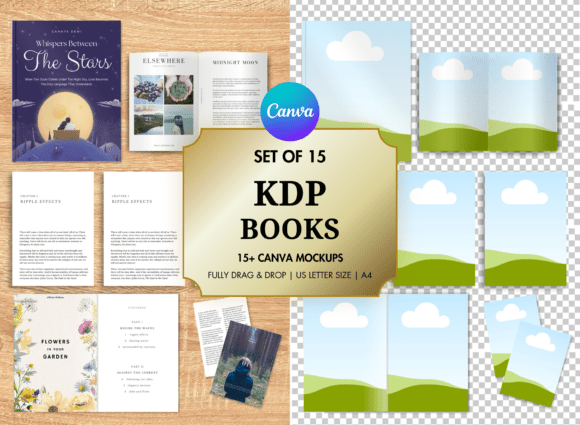
- Marketing and KDP Content: For Amazon KDP authors, creating A+ Content is a proven way to boost conversion. This 8x10 mockup is perfectly sized for those content blocks, allowing you to showcase your cover, interior spreads, and back cover in a polished, integrated layout that builds trust and professionalism.
- Blogging and Content Marketing: When you write a blog post about your new release, a design process, or a book review, a compelling featured image is non-negotiable. A well-styled mockup makes your content more shareable and visually engaging, directly influencing reader engagement.
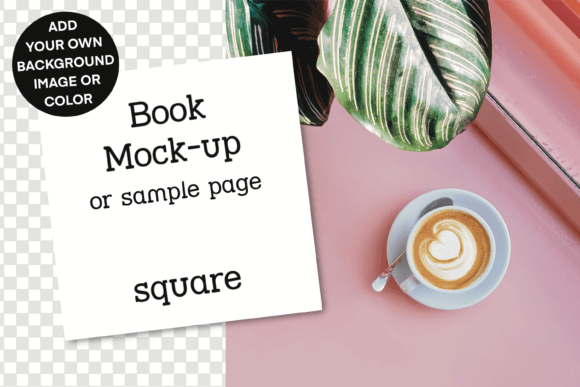
The key is to use it as a foundation. The transparent background means you are in full control of the environment. You can place it over a solid color that matches your book's palette, a gradient, or a photographic background. This flexibility allows the same mockup file to generate dozens of unique, context-rich presentations for different platforms and campaigns.
Integrating the Mockup into Your Workflow
You don't need to be a graphic design wizard to use this effectively. The process is intentionally straightforward, designed for entrepreneurs, bloggers, and creators who may not use advanced software like Adobe Photoshop daily. Any basic image editor that supports layers—from Canva to Procreate to free online tools—will work.
The step-by-step guidance is simple: start with a canvas of the recommended 3000x2000 pixel size (the 3:2 ratio is standard for high-quality digital output). This is your background. Next, place your finalized book cover image onto this canvas, sizing it to fit within the mockup's frame. Then, simply layer the mockup PNG over the top. The transparent area will reveal your cover, and the frame will create the realistic book edges. It’s a non-destructive process, meaning you can experiment with different backgrounds, add text overlays, or include sample interior pages without ever altering your original cover file.
This approach has a significant impact on your design process. It encourages rapid prototyping. Instead of imagining how a cover might look in a final context, you can see it immediately. This feedback loop is invaluable for making final tweaks to color, contrast, and typography before finalizing your files for print or digital distribution. For small business owners and crafters creating planners, coloring books, or activity books, this means you can create professional-looking product photos and marketing materials in minutes, saving both time and the expense of professional photography or complex 3D rendering software.
In a digital landscape saturated with content, the presentation of your work is often the first point of contact with your audience. A thoughtfully chosen and skillfully applied mockup template like the Book Page Mockup 8x10 Templates Frames communicates care, professionalism, and an understanding of modern visual marketing. It’s a small investment in your creative toolkit that pays dividends in clarity, consistency, and ultimately, in how your audience perceives and engages with your creations.